









Incentives over ethics
- Source
- LinkedIn Note
- Date
As I've been scaling Ponder AI and applying to incubators that all ask for the same topline metrics, I've been thinking about how to keep the app's value aligned with the numbers that define success. We've all grown used to the dichotomy of tech companies promising grand benefits while also experiencing the ways they prioritize data collection, ad revenue, and so on. This conversation often revolves around ethics (which of course has merits), but the drivers behind business decisions usually come down to incentives. We build toward what we incentivize, so we should incentivize what we value.
As pressure increases, businesses often drift from missions to math. At Meta, I watched this play out: when the Cambridge Analytica fallout pushed people away from the platform, our Trust and Safety org grew 5x; when discourse shifted toward free speech, that same org was cut shortly after by ~70%. The shift was frustrating, but reviewing decisions like this based on the math rather than the morals gives us more to build off of.
Ads-based business models reward time on the platform because it drives ad impressions. Social media amplifies clickbait and anger not because the algorithms were built to do specifically this, but because they're rewarded for engagement that keeps users online. Guardrails can downrank angry posts and remove vitriolic content, but this only cleans up the system as it leaks. Then when competition picks up – like when TikTok took off and put Instagram on the defense or when ChatGPT forced tech companies to show progress in AI – companies turn even more toward core metrics. Guardrails and brake checks shrink into smaller versions of themselves, and the core metrics become the whole story.
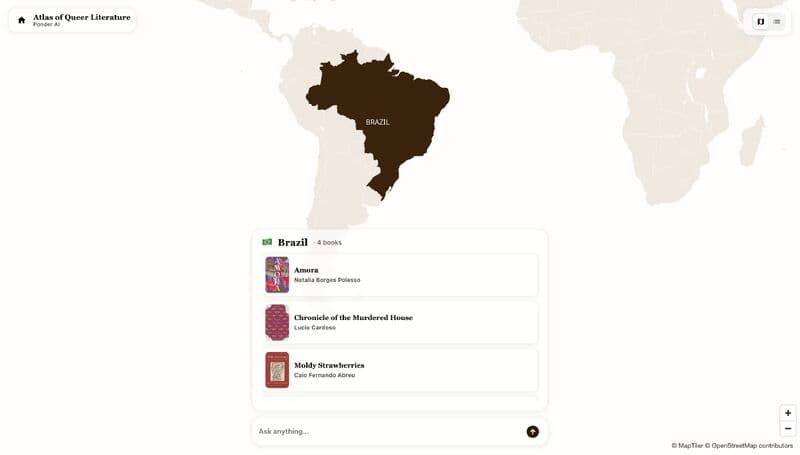
The hardest design challenge I've faced hasn't been the interface, but the system incentives. Systems have gravity, and if you don't design them intentionally they'll pull toward the easiest form of engagement. I've done my best to build a better content system: an algorithm that favors broad coverage and credibility; widgets that push people toward real world interactions (to a song, a trailer, a book) instead of endless scroll; a user reporting flow that feeds back into the content generation, turning reactive enforcements into proactive design. Each of those choices was about shaping the loop, not just the surface.
My goal isn't to build a "pure" business model, but to align incentives with intent. The intent is to connect people back to the real world: see a new movie, tune into a sports team, or follow a thread of curiosity somewhere new. There's still a lot more to design, but the guiding principle is simple: Technology to promote curiosity, not consumption. If we want to orient AI toward true value, the metrics have to reinforce the right behaviors.